
Our projects
We have a particular focus on the power, road transport, and steel sectors. We also support the development and use of analytical tools appropriate for use in contexts of structural change.
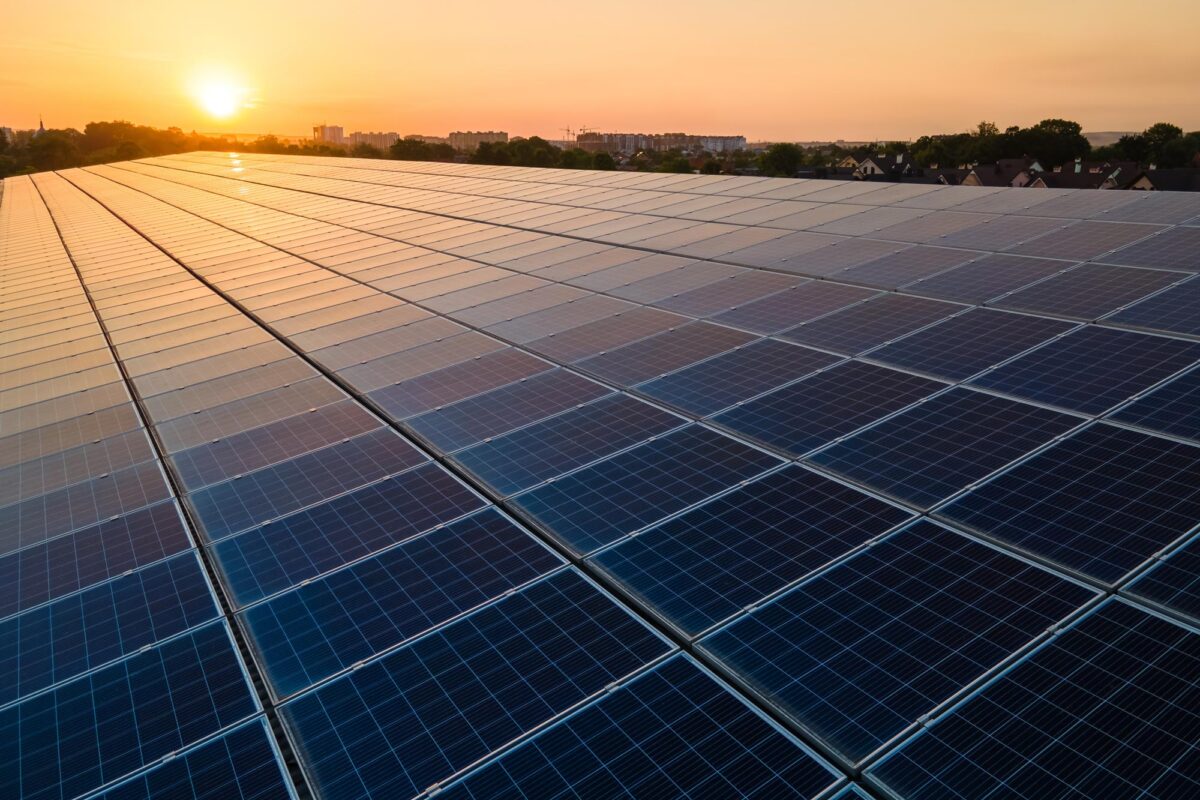
Explore our projects
Breakthrough Agenda Policy
Network

Forging a common vision for more effective climate change diplomacy, starting with a focus on steel and trade
For over thirty years, climate change diplomacy has focused mainly on emissions targets. There are good reasons to believe that a focus on coordinated practical actions in each of the emitting sectors could be more effective, making low carbon transitions faster, less difficult, and lower cost. Countries that together account for over 80% of global GDP launched the Breakthrough Agenda at COP26, a process designed to strengthen practical international cooperation in each sector, but this potential remains far from fully exploited.
The Breakthrough Agenda Policy Network is a group of institutes in eight countries and regions that conduct joint research and analysis of opportunities for international cooperation to overcome difficult problems in the low carbon transition. In its second year, the Network is focusing on the role of trade in the transition to clean steel, building on analysis on this topic conducted in its first year. We coordinate and provide the secretariat of the Network.
Our first report, launched at COP30, argues for a new approach to policy and diplomacy on the transition to near-zero emission steel and suggests that the world’s largest steel producers and potential green iron exporters should start an intensive process of diplomacy to explore these opportunities.
Partners: African Centre for Economic Transformation, Chatham House (UK), Council on Energy, Environment and Water (India), Energy Foundation China, Institute for Climate and Society (Brazil), Institute for Global Environmental Strategies (Japan), Institute for Sustainable Development and International Relations (France) and Instituto E+ Transição Energética (Brazil).
This project is funded by Energy Foundation China.
UK-China Power Market Reform Advisory Group
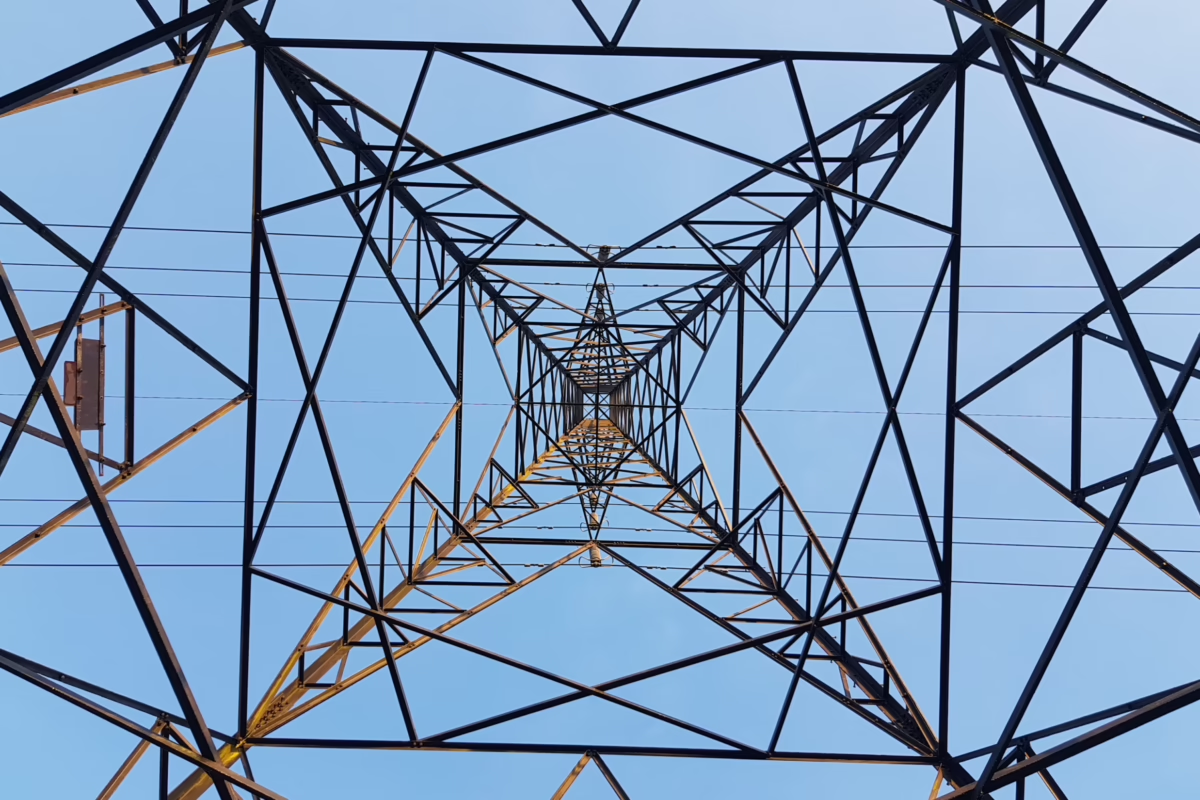
Identifying solutions for the world’s largest and fastest power sector transitions
The UK and China are coming from different starting points to face similar challenges and opportunities in their transitions to clean, reliable and low-cost power systems. These include sustaining investment in renewable power as its share of generation increases, scaling up energy storage and system flexibility to ensure energy security and cost-effectiveness, and designing market mechanisms that support innovation, reliability and decarbonisation.
The UK-China Power Market Reform Advisory Group is a new structure for more intensive, in-depth and continuous exchange of learning between the UK and Chinese power sector policymakers and researchers, to support the governments’ bilateral dialogue on clean energy. With our partners, we develop dedicated joint research on the electricity market design problems of greatest interest to both governments and create a network of power sector researchers in both countries.
Partners: University College London, Tsinghua University, China Energy Storage Alliance
Analytical tools
Bringing innovation and structural change into analysis and policy decision-making
Technologies improve at very different rates and in the long run it is these differences that will determine which technologies are most effective in tackling climate change. It is therefore essential to understand why different technologies have different progress rates. We have developed tools to identify patterns in how technologies are formed and how they interact with each other, which we can then use to make predictions of which emerging clean technologies are most likely to improve the fastest. These methods will be useful in assessing technology choices in domains where there is still large uncertainty and many potential options, for example, long-duration energy storage, near-zero emission steel, cellular agriculture and carbon capture.
Policy decisions are influenced by economic concepts, decision-making frameworks, governance frameworks, modelling, and other analytical tools. Risk Opportunity Analysis (ROA) is a decision-making framework designed for policy appraisal in situations of structural change, such as industrial strategy or low carbon transitions. We are developing practical implementation guidance in collaboration with academic experts and policymakers, and aim to further refine the framework and support its early users.
Global Steel Transition Research
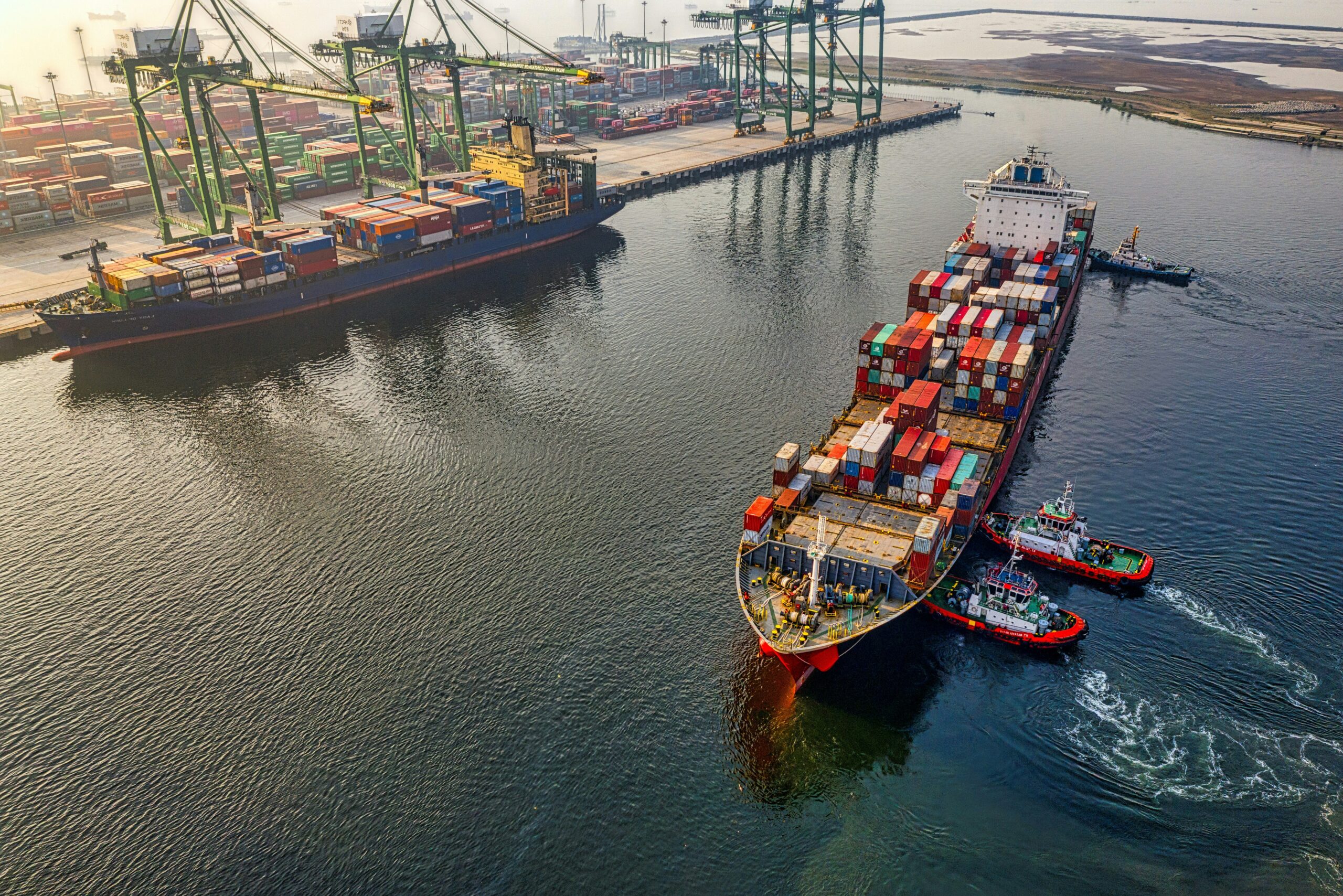
Identifying policies that shift competitive international trade from holding back the steel transition to driving it forward
Building new near-zero emission production facilities for energy-intensive industries such as steel, cement, and chemicals is expensive and risky. Existing policies that tax emissions make high-emission production more costly, but do not overcome the barriers to investment in near-zero emission facilities. Currently almost no clean industrial plants are yet operating in the largest-emitting energy-intensive industries of steel, cement and chemicals, despite decades of globally-agreed climate change goals.
Moving forward the steel transition requires targeted policies that avoid putting clean steel producers at a disadvantage in international trade. Together with a team of researchers from Brazil, China, India, and the EU, we are evaluating actions that can enable investment in the first wave of clean primary steel plants in each of these regions in a context of competitive international trade. Through quantitative modelling and analysis, case studies, and technology cost forecasting, we are exploring how national policies and diplomatic partnerships can give clean steel an advantage in global markets.
Partners: Chinese Academy of Sciences; Council on Energy, Environment and Water (India); German Institute for Economic Research (DIW Berlin); Instituto E+ Transição Energética (Brazil); Institute for Sustainable Development and International Relations (IDDRI).
Towards Clean Steel Trade Agreements
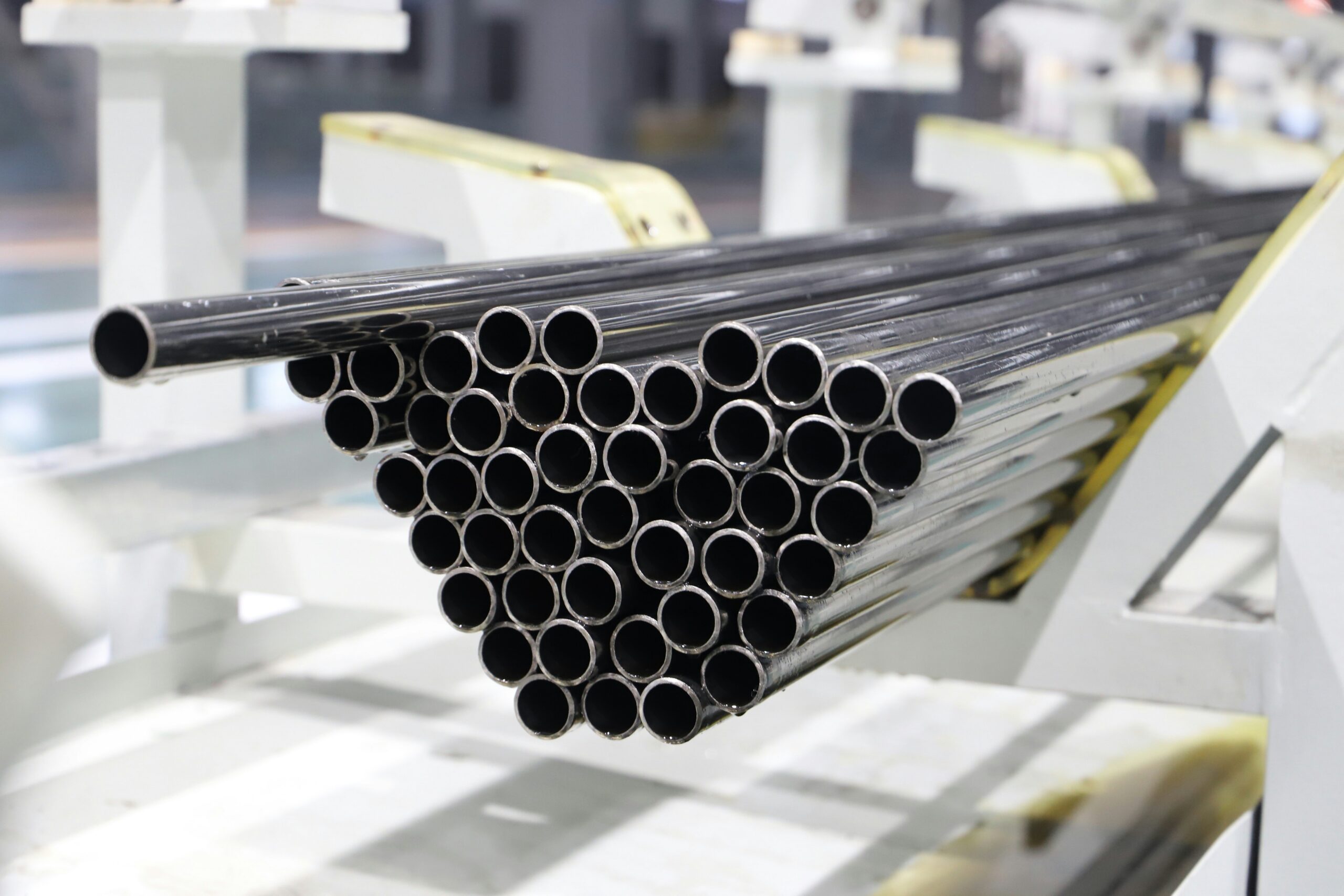
Developing trade measures to incentivise investment in near-zero emission iron and steel production
This project explores how trade policy and international partnerships can be designed to actively support the steel transition. Despite growing momentum behind carbon pricing and industrial decarbonisation commitments, most trade policy continues to treat high- and low-emission steel identically, missing a significant opportunity to incentivise investment in clean production processes. We are investigating how changes to trade policy and wider diplomatic cooperation could give clean steel a competitive advantage in ways that align with the diverse national interests at stake.
The work covers three interconnected areas: developing options for giving preference to clean steel within the new EU steel import regulation; assessing which emissions standards are most appropriate to underpin bilateral and plurilateral clean iron and steel trade agreements; and exploring how clean steel objectives can be embedded in broader diplomatic and investment partnerships between the EU and its major trading partners.
Partners: Agora Industry (standards), IDDRI (diplomacy).
Risk-Opportunity Analysis for Finance Ministries
Comparing the sector and macro-level effects of energy transition policy options in the power, road transport and steel sectors
Finance ministries are interested in how the energy transition will influence macroeconomic variables such as productivity, growth, employment, inflation, and the balance of trade. These outcomes are driven mainly by changes at the sector level, where the transitions from fossil fuels to clean technologies take place. While finance ministries do not usually lead the design of sector-level policies, they do often influence them – by approving or rejecting spending, making decisions on taxation, and supporting or opposing regulation.
In this new work as part of the Economics of Energy Innovation and System Transition project, we are using risk-opportunity analysis to compare the sector and macro-level effects of energy transition policy options in the power, road transport and steel sectors. Findings will be discussed at the Forum on the Macroeconomics of Green and Resilient Transitions and at meetings of the Coalition of Finance Ministers for Climate Action’s workstream on macro-fiscal policy and debt sustainability.
Partners: Exeter University
This project is funded by KR Foundation.
Past projects
Economics of Energy Innovation and System Transition
Modelling transitions and tipping points in power, transport, and industry
The Economics of Energy Innovation and System Transition (EEIST) project focused on modelling the transitions to clean technologies in heavy road transport, steel, and hydrogen production. Together with our academic partners, we used a dynamic model to simulate the effects of alternative policy options. We have also studied tipping points in the transitions towards solar power and storage, electric vehicles, green hydrogen, heat pumps, and alternative proteins, and the potential for policy to activate a cascade of positive tipping points across sectors.
In its earlier phase, the EEIST project produced reports on decision-making frameworks, principles for policymaking, and modelling for the low carbon transition, as well as a range of policy briefs. These materials were created in partnership between researchers in the UK, China, India, and Brazil, and are available at eeist.co.uk.
Partners: University of Exeter, World Resources Institute India, Cambridge Econometrics
This project was funded by the UK Department for Energy Security and Net Zero.
Coalition for Capacity on Climate Action (C3A)

Empowering Ministries of Finance to respond effectively to climate change and the low carbon transition
Ministries of Finance have much at stake in the low carbon transition, given its large potential implications for public spending, consumer costs, national economic competitiveness, trade, productivity and growth. Along with the rest of government and society, they also have an interest in limiting the economic damage done by climate change.
The Coalition for Capacity on Climate Action (C3A) is an initiative hosted by the World Bank which aimed to support Ministries of Finance in responding effectively to the threat of climate change and the risks and opportunities of the low carbon transition. The initiative promoted peer-to-peer learning and research-to-policy knowledge sharing on policies and analytical tools. We coordinated C3A’s work on the theme of innovation.
Further information, including a full list of partners, is available at www.climatecapacitycoalition.
Scenarios for the global steel transition

Exploring how policymakers in China, the European Union, and the United States understand the steel transition and the range of futures that could emerge
The iron and steel sector is undergoing a period of significant disruption. Alongside persistent overcapacity and rising trade tensions, the sector is also on the cusp of a technology transition. Policymakers face a complex challenge. They must steer their industries through the competitive pressures in the conventional steel markets, while simultaneously aiming to realise the opportunities and manage the risks of technological change.
This project brought together policymakers and industry experts from China, the EU, and the United States to examine how each region understands the steel transition, what uncertainties they face, and how different futures might unfold. Through interviews, regional scenario exercises, and a three-way dialogue using the Three Horizons framework, the research explored how unilateral policies and international cooperation could shape global steel markets.
The findings show that while national contexts differ, many of the most important uncertainties are international – including trade openness, global demand for clean steel, standards, technology costs, and the pace of technology deployment across regions. Scenarios involving greater international cooperation were consistently associated with faster transitions and better outcomes for national industries. Yet despite recognising these benefits, many policymakers appear to be planning for futures with limited cooperation – revealing a gap between preferred and expected pathways.
Partners: Alister Wilson (Waverley Consulting). Workshop hosts in Beijing, Brussels and Washington DC as detailed in the report.
Systems mapping for power sector reform in China
Understanding interactions between policies, technologies and markets in the transition to clean power
The direction of change in the power sector is clear – from coal and gas to solar and wind, as the dominant technologies – but how to achieve that change quickly and cost effectively, while keeping electricity prices low and security of supply high, is less obvious. Policies and market reforms aimed at achieving each of the traditional ‘trilemma’ objectives have overlapping effects. We use systems mapping with causal loop diagrams to understand the feedbacks created by these interactions, and to identify high leverage points of intervention. This project is part of the Economics of Energy Innovation and System Transition programme.
Partners: University College London, Energy Research Institute of the Chinese Academy of Macroeconomic Research, Tsinghua University, Beijing Normal University, Oxford University, World Resources Institute China
This project is co-funded by Quadrature Climate Foundation and the UK Department for Energy Security and Net Zero.
These projects and their publications represent the views of their authors, and should not be taken to represent the views of any of their funders.
'The economy isn’t just a container for its technologies; the economy emerges from its technologies.'
W. Brian Arthur
Economist and complexity scientist
More from S-Curve

What we do
We produce analysis to inform action on the low carbon transition, using economic concepts and tools consistent with the context of rapid innovation and deep structural change. We also provide guidance and tools for others to use in making their own analysis.
Our team
We are a small team with leadership experience in climate change policy, diplomacy, consultancy and research. We work at the research-policy interface, collaborating with governments, research institutes, and sector-expert organisations.
Latest publications
Enabling investment in clean primary steel: the case for subsidy-and-recharge policies proposes a policy approach to deploying clean primary steel that is revenue neutral for governments, creates no competitiveness risks for industry, and has unnoticeably small costs to consumers. Filling the policy gap for long-duration storage: strategic reserves and market mechanisms explores the growing need for long-duration energy storage in Great Britain’s electricity system, and proposes policy options to address the challenges for investment and operation of storage assets of different durations.