
Publications and resources
Filling the policy gap for long-duration energy storage: strategic reserves and market mechanisms
Tariff-free quotas for clean primary steel
Scenarios for the global steel transition: China, the European Union and the United States
Making Clean Steel Competitive in International Trade: A Positive-Sum Agenda for Policy and Diplomacy
First build, then break. A policy framework for accelerating zero-carbon transitions.
Towards Near-Zero Emissions Steel: Modelling-based Policy Insights for Major Producers
Dynamics of the power sector transition in China: a system mapping study

Analytical tools for innovation and competitiveness in the low carbon transition
Positive tipping points: five case studies to accelerate the low carbon transition
In the media
Our tools
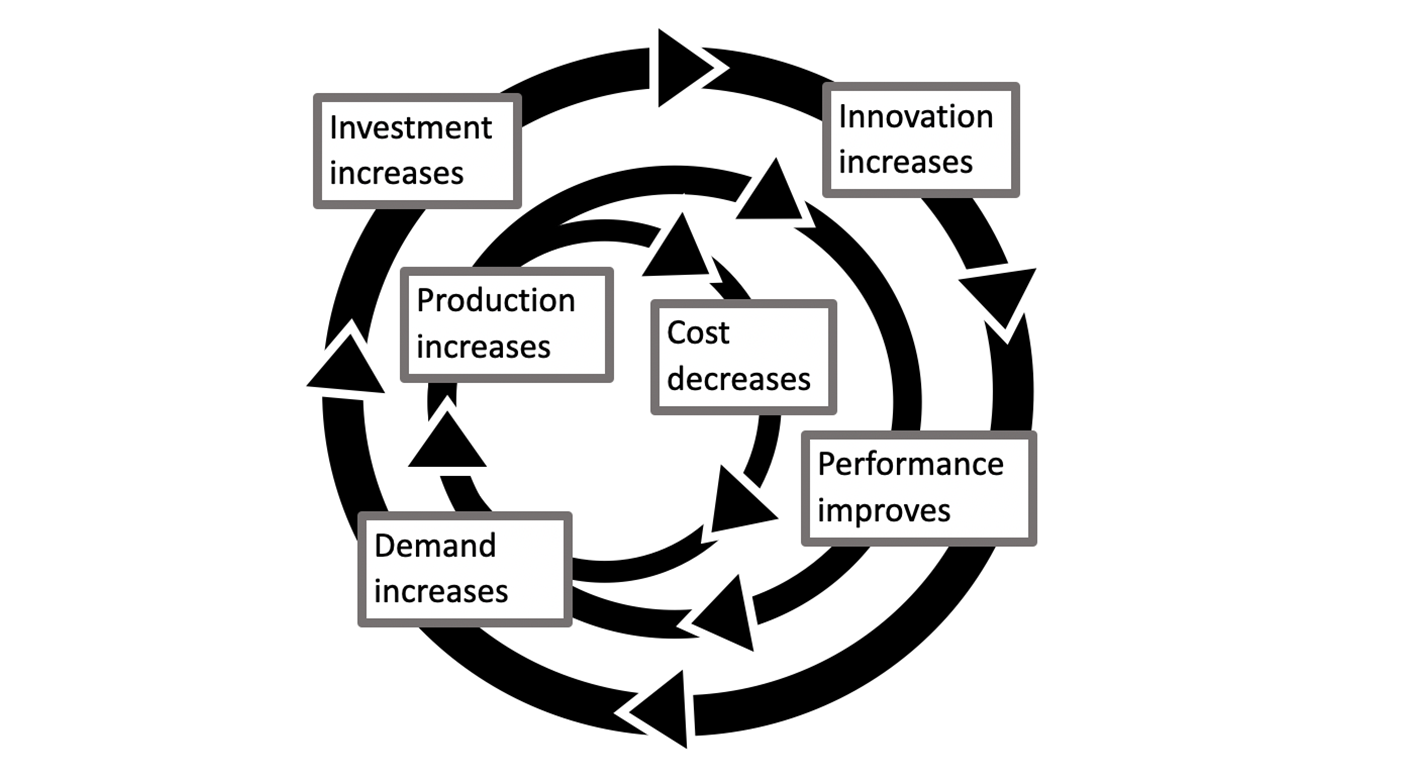
Risk-Opportunity Analysis
A decision-making framework for contexts of uncertainty and structural change.
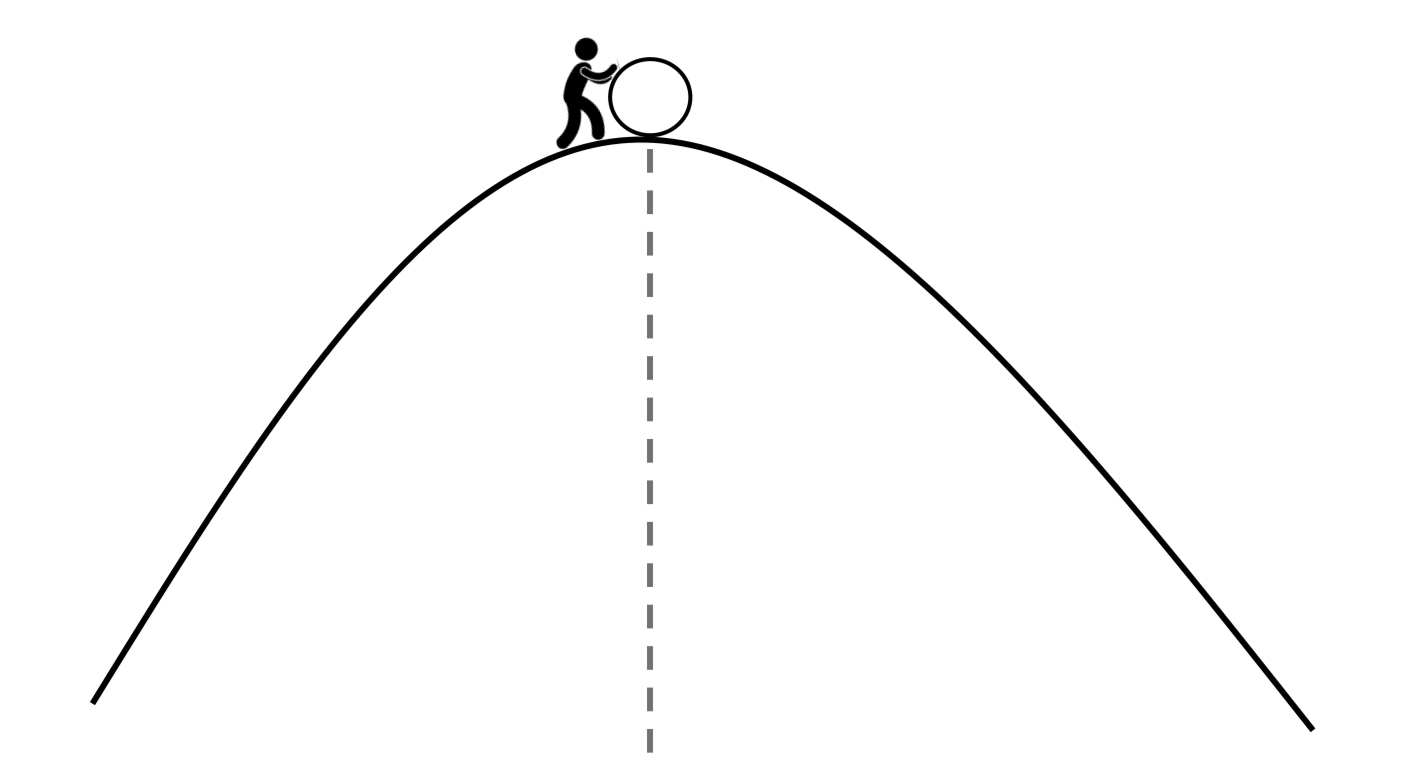
Tipping Points
A way to set goals for a self-accelerating transition, and a guide to policy stringency.
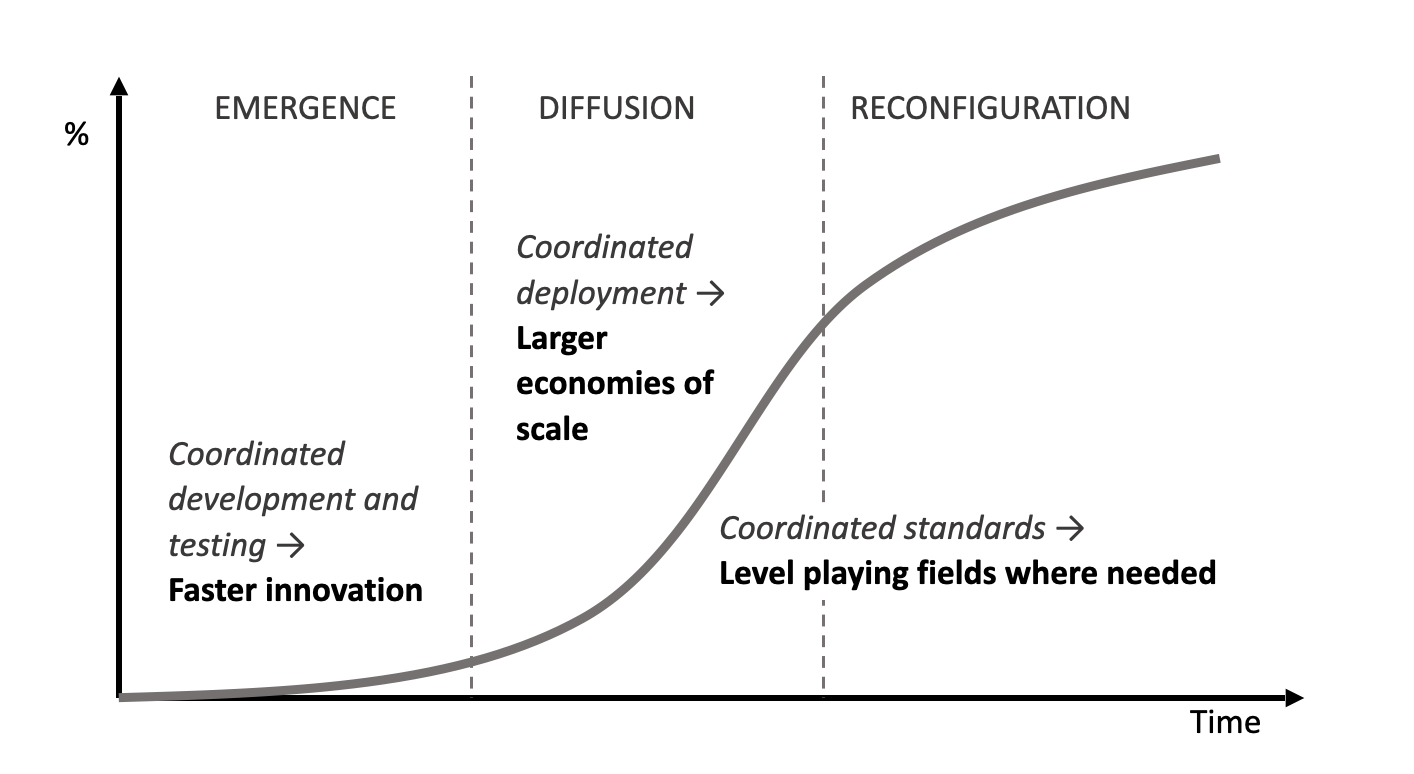
The Accelerating Transitions Framework
A guide to the forms of action and international cooperation likely to be effective at each stage of a transition.
Annual reports
Annual report 2025-2026
Our second annual report covers the period from April 2025 until March 2026.
Annual report 2024-2025
Our first annual report covers the period from our incorporation in April 2024 until March 2025.
"The overarching feature of the economy over the past million years or so is the secular increase in diversity of goods and services.”
Stuart Kauffman
Theoretical biologist and complex systems researcher
More from S-Curve

What we do
We produce analysis to inform action on the low carbon transition, using economic concepts and tools consistent with the context of rapid innovation and deep structural change. We also provide guidance and tools for others to use in making their own analysis.
Our team
We are a small team with leadership experience in climate change policy, diplomacy, consultancy and research. We work at the research-policy interface, collaborating with governments, research institutes, and sector-expert organisations.

Our projects
We have a particular focus on the power, road transport, and steel sectors. We also support the development and use of analytical tools appropriate for use in contexts of structural change.